
Care & maintenance
The do’s & don’ts of tile & grout care.
Tips from our tile and grout experts.
- Home
- Care & Maintenance
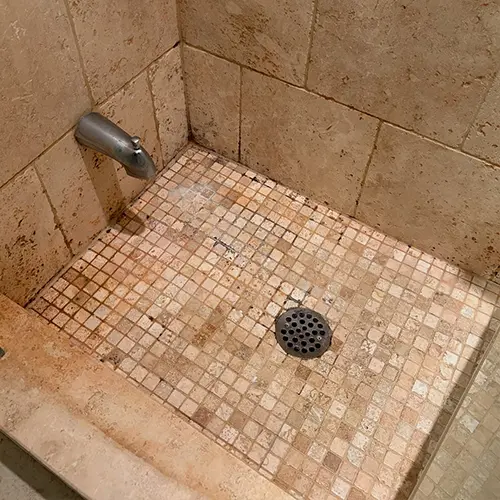
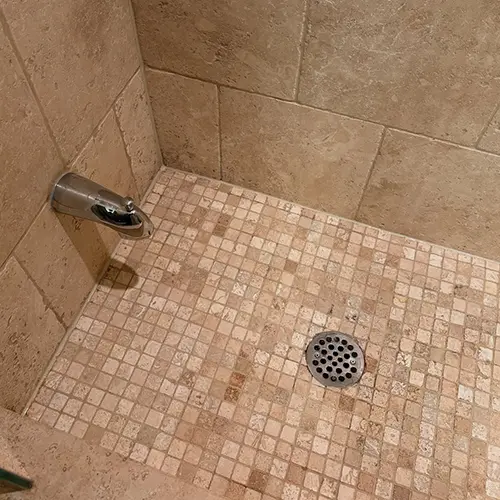
Tips from our tile & grout experts.
- After our specialists complete your restoration, we recommend using our cleaner to keep your floors looking new. This cleaner cleans tile and grout without leaving a sticky residue. Besides tile and grout, this product is multi-purpose, which means it will replace all of your other household cleaning agents. This product is environmentally friendly and highly concentrated (1 gallon creates 36 quarts of cleaner). It is microbial and eats away mould and mildew.
- A simple squeegee not only prevents staining on the shower glass, it is also helpful in keeping your shower walls clean and mildew free. After every shower, take a moment and squeegee all wet surfaces.
- Ensure that the exhaust fan in your bathroom is working well and clear of dirt and dust.
- Always vacuum your floors prior to washing with water and cleaner.
- Soap-based cleaners often leave a sticky film that attracts dirt and mildew. When choosing a cleaner, look for neutral or alkaline based products.
- Avoid the use of ammonia-based products, as it often will change the colour and condition of the grout.
- Acid based cleaners such as vinegar and acidic grout cleaners will damage the grout and natural stone products.
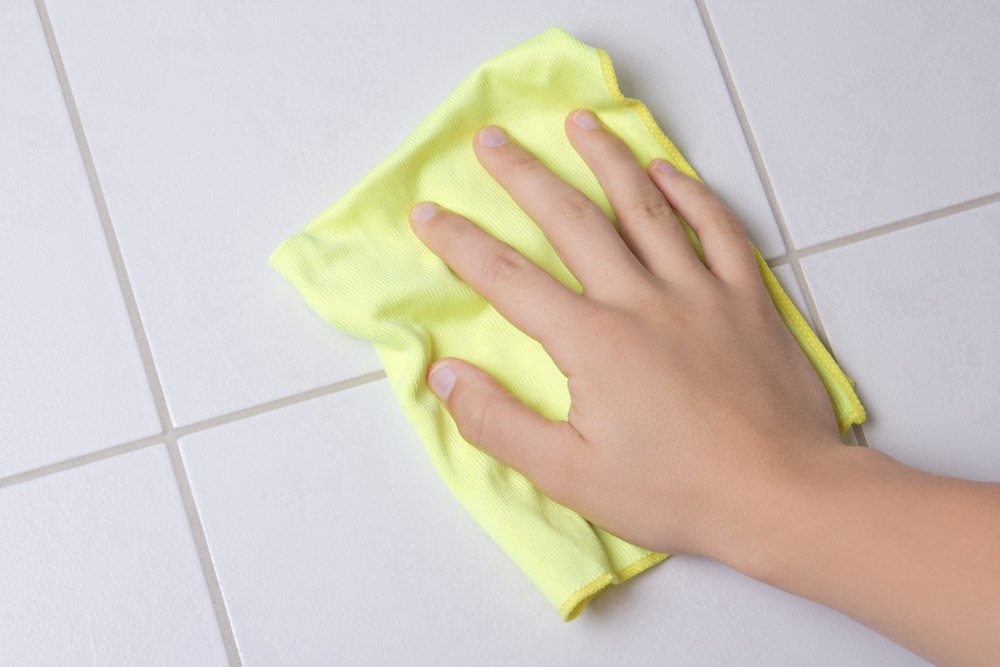
Expert tips
Keep it looking new.
Use the right cleaner
Squeegee after every shower
Keep the exhaust fan working
Vacuum before you wash
Choose neutral or alkaline
Avoid ammonia and acids
Questions
Good to know.
How should I clean my tiles and grout after restoration?
Use our recommended eco-friendly, multi-purpose cleaner. It removes dirt, mould, and mildew without leaving residue, replacing other household cleaners while keeping tiles and grout looking fresh and new.
Can I use regular soap or household cleaners on my grout?
No. Soap-based or acidic cleaners leave residue, attract dirt, and can damage grout. Always choose neutral or alkaline-based cleaners, like the ones we provide, to maintain long-lasting results.
How can I prevent mildew and stains in the shower?
After every shower, squeegee wet surfaces to remove excess water. This prevents staining, mould, and mildew while keeping your shower walls and glass surfaces clean and fresh.
Why is a bathroom exhaust fan important?
A working exhaust fan removes humidity, which helps prevent mould and mildew and protects your grout and tile over time. Keep the fan clean and free of dust so it runs at full performance.
Should I vacuum before washing my floors?
Yes. Vacuuming first removes dirt and debris, preventing scratches and leaving cleaner, streak-free tiles. It also makes your tile and grout cleaner more effective.
Can ammonia-based cleaners be used on grout?
No. Ammonia can alter grout colour and degrade its condition over time. Stick to neutral, alkaline-based products to maintain grout appearance and integrity.
Are acid-based cleaners safe for tiles and grout?
No. Acidic cleaners like vinegar or acidic grout products can erode grout and damage natural stone surfaces, shortening their lifespan and affecting their appearance.
How does your cleaner handle mould and mildew?
Our cleaner is microbial-based, so it actively breaks down mould and mildew while it cleans your tiles and grout. It’s highly concentrated and environmentally friendly for superior, long-lasting results.
Can your cleaner replace other household cleaning products?
Yes. It’s multi-purpose, highly concentrated and effective on a variety of surfaces, so it can replace several cleaning products while staying safe, eco-friendly and residue-free.
What is the best routine to keep tile and grout looking new?
Vacuum regularly, squeegee shower surfaces, use our recommended cleaner, avoid harsh soaps, ammonia, or acids, and ensure proper ventilation to prevent mould, mildew, and staining.